Many gardeners plant them in the fall, in order to protect the soil through the winter and into the spring. Cover crops can also carry nitrogen from the air down into the soil, eventually making it available for the roots of other plants. Come spring, you can then turn these plants into "green manure" by mixing them into the soil and letting them decompose, which releases beneficial nutrients. "Cover crops are protecting this complex universe beneath the ground," John says. Beneficial fungi that occur naturally in soil and grow symbiotically on plant roots or in plant roots . It's estimated that 80% of all land plants on Earth are colonized by endomycorrhizae.They extend the root system by sending out tiny filaments to forage for water and nutrients used by plants.
They have been shown to also help plants fend off pathogens. Some crops, like blueberry, rely heavily on mycorrhizae for nutrient uptake. Research does not show any benefit to garden plants when mycorrhizae are purchased and applied to soil. This is especially true when plant nutrients and soil moisture are plentiful, and also because commercial mixes contain a narrow subset of mycorrhizal species.
You can increase the populations of beneficial fungi through plant diversity , reduced soil disturbance, and planting cover crops. As farmers we are having to relearn the intricacies of the life cycle of the soil – of the microorganisms – of mineral uptake by plants – of water flows – of the whole of it. If you are converting your farm into a regenerative farm, you are probably beginning to walk your rows more often and observe. As you walk your fields you see where the loss of topsoil has left behind the subsoil and it's light brown, dusty, dirt.

If you're regenerating your farm, you're planting cover crops, pasturing chickens, and on the path to mob grazing. All that organic matter in your soil is great but it won't stick around very long. Adding biochar to your farm will help retain more of the nutrients and give a place for all those beneficial microbes to live. Not to mention the impact adding biochar has on water retention. • Mulch—Nature hates exposed soil because it knows it means certain death to the microbes that live just below.

No matter how many times you cultivate or hoe, nature will fight even harder to cover it with the fastest growing thing she has and that is a weed. Covered soil holds moisture longer and it doesn't erode in heavy rains. It also keeps the temperature more constant whether in winter or summer which protects your plant roots as well as the microbes.

Organic deep mulch gardening provides a constant supply of nutrients for the organisms to consume and break down, further improving your soil. I like to cover my beds with cardboard or newspaper around plants to keep the weeds from germinating and then top with a mulch of alfalfa hay, but you can use whatever organic matter you like. Organic soil is rich in humus, the end result of decaying materials such as leaves, grass clippings and compost. Good organic garden soil is loose and fluffy — filled with air that plant roots need — and it has plenty of minerals essential for vigorous plant growth. It is alive with living organisms — from earthworms to fungi and bacteria — that help maintain the quality of the soil.

Proper pH is also an essential characteristic of healthy soil. Use permanent wide rows, square foot gardening, or any method you like as long as you keep living plants on the soil. That means use cover crops and there are many to choose from. They will keep the soil covered and add organic matter to feed the microbes once you turn them into mulch.

You might want to mow them or weed-eat but leave the plant material where it grew. Studies have shown that hairy vetch grown before tomatoes and then left as mulch increases tomato yields substantially. I'm sure there are many other combinations that could work just as well. Cultivating native grasses, or simply refraining from ripping out last year's garden plants, will help you maximize the number of living roots in the ground, which offers many benefits to your soil.

But by far the best means of nourishing and building up your soil is by planting cover crops. Farmers often plant them after the primary crop has been harvested or in areas that would otherwise be bare. And as John and Molly can attest, they're a critical component of any holistic farming practice. The heat as you say will kill the pathogens however the down side to heating soil in an oven/microwave is it also kills the beneficial microbes so you end up with safe, but 'dead dirt!

' Beneficial microbes are an integral part of growing healthy plants. Besides adding organic matter to the system, perennial trees and shrubs recycle plant nutrients from deeper soil layers through their rooting system. Through litter and pruning, these can be used again by annual crops.

The food web in the soil is maintained, even during dry seasons when no annual crops are grown. The result is that soil biota are in place to provide the crop with nutrients at the beginning of the next cropping season. The best way to improve soil texture is by adding organic material, such as compost or peat moss. Decaying organic matter helps sandy soil by retaining water that would otherwise drain away. And it corrects clay soil by making it looser, so air, water, and roots all can penetrate. Plus, in all soils it encourages beneficial microbial activity and provides nutritional benefits.
Bacteria and archaea are the smallest microbes in the soil and comprise the largest number of all living soil organisms by far. We tend to fear these one-cell life forms as the source of disease and infection, but in reality, life would be impossible without bacteria in the soil as well as in our own bodies. There are more species than we can count, but only a portion of them are harmful.

Bacteria decompose organic matter using enzymes to break down the cells into individual minerals and nutrients, which they store in their own bodies until needed by the plants. If not for their ability to store them, the minerals and nutrients would be washed away after a rain or released into the air. Bacteria also create a slime that holds the soil particles together and buffers the acidity of the soil. This is how they improve soil texture and water-holding capacity.

Their size limits their mobility though and most spend their life within a few inches if they don't catch a ride somehow. Tilling organic matter deeply into the soil may create a cleaner-looking soil surface, but this practice leaves organisms that live near the surface without a food source. The easier, healthier approach is to add compost or plant residues to the soil surface or to incorporate them into only the top few inches of soil. The soil biota will take care of breaking the material down into nutrients your plants can use, and moving the nutrients down into the soil where plant roots can find them. Where the supply of nutrients in the soil is ample, crops are more likely to grow well and produce large amounts of biomass. Fertilizers are needed in those cases where nutrients in the soil are lacking and cannot produce healthy crops and sufficient biomass.
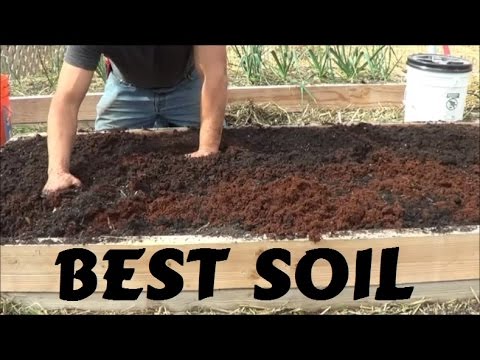
P is required not only for plant growth but also for N fixation. Unbalanced fertilization, for example mainly with N, may result in more weed competition, higher pest incidence and loss of quality of the product. Unbalanced fertilization eventually leads to unhealthy plants.
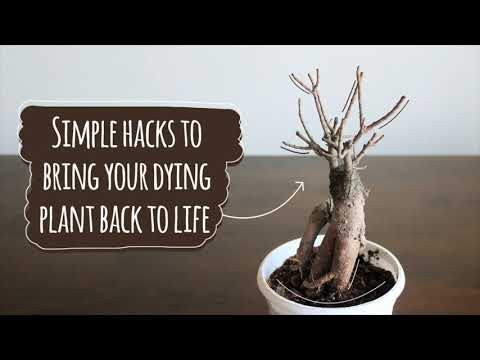
Therefore, fertilizers should be applied in sufficient quantities and in balanced proportions. The efficiency of fertilizer use will be high where the organic matter content of the soil is also high. In very poor or depleted soils, crops use fertilizer applications inefficiently.
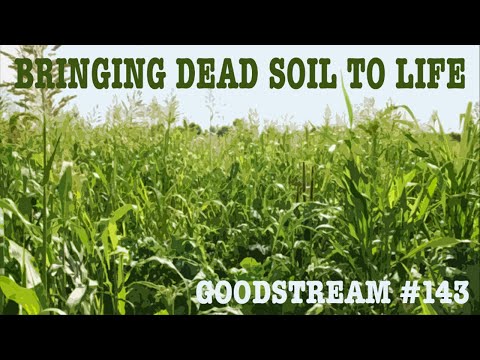
When soil organic matter levels are restored, fertilizer can help maintain the revolving fund of nutrients in the soil by increasing crop yields and, consequently, the amount of residues returned to the soil. Cover crops are a temporary planting, usually sown in the fall, that help protect the soil from wind and erosion and add valuable organic material. They also establish a dense root structure that can have a positive effect on soil texture. Cover crops also suppress weeds, deter insects and disease and help fix nitrogen. When the crops are turned into the soil, they become green manure .

Adding organic matter in the form of compost and aged manure, or using mulch or growing cover crops , is the best way to prepare soil for planting. Adding chemical fertilizers will replenish only certain nutrients and do nothing for maintaining good, friable soil. Organic matter will help supply everything your plants need. You can increase the amount of organic matter in your soil by adding compost, aged animal manures, green manures , mulches or peat moss. Because most soil life and plant roots are located in the top 6 inches of soil, concentrate on this upper layer.

To learn more about making your own compost, read All About Composting. I always see things on how to work with sandy, silty, or clay soils, practically nothing on peat soils. I moved to an area this last Fall, that had a lot of glacier activity and is a meadow or grass land now. We would like to grow a garden, but we have black peat soil for about 14 feet down. I used a home soil test and found no nitrogen in the soil.

There is some phosphorus and a small amount of potassium. What should we do to our soil to be able to grow a vegetable garden and fruit trees? Legumes are especially valuable cover crops, because they fix nitrogen from the atmosphere into forms available to crop plants. Composting is a means of recycling almost any organic wastes. Tap chicken power to mix organic materials into the soil. When the Chesters arrived at Apricot Lane Farms, the ground was dry, hard, and mostly devoid of life.

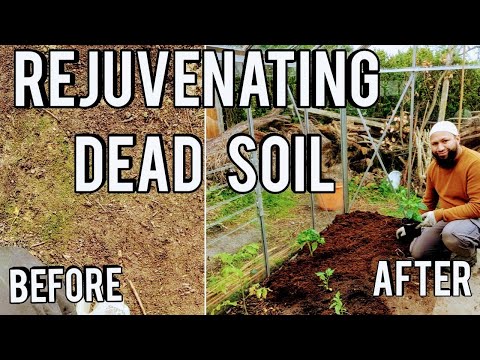
They knew they'd need to convert dead dirt back into soil before they could grow any crops. "When it's biologically diverse, soil is like this alchemizer of death into life, but you have to feed it," John says. Digging isn't even necessary when setting out new growing areas.

Start by clearing the surface of any debris and any rocks larger than a hen's egg. This will suppress the growth of the weeds beneath by blocking out light, and provide nutrient-rich material for roots to grow into. Suitable organic matter includes compost, or manure from a trusted source where you can guarantee no herbicides have been used.

In the past organic amendments have been added to clay soils in attempts to create clay loams and have been partially successful. But because of the nature of clay soil it takes a great deal of organic matter over an extended period to make a difference. Including biochar in your organic amendments could decrease the number of growing seasons necessary to achieve greater porosity and aid drainage. In a field study a biochar amendment increased both biomass and grain yield of maize for two consecutive years after a one-time application. Yields increased over two years which implies that , even after only one application, biochar "…has positive effects on heavy clay soil for more than one cropping season.

In the past, biochar has been called charcoal, but it's not like the charcoal you use to grill burgers. Those briquettes have additives in them to make them light quicker. Those same additives are not good for the microbes in your soil. Don't try to use charcoal briquettes as a soil amendment.

Both charcoal briquettes and biochar are made by burning biomass with little or no oxygen, they are smoldered to a point where there is almost nothing left but the structure of the feedstock. Under a microscope it looks like the craters on the moon. This material is also sometimes referred to as "labile" because it leaves the biochar, leaching into the soil and is then ingested by soil microbes. It is not likely to be released to the air as a gas component. The mobile matter is not the component of biochar that remains in the soil after one or two years, according to Hugh McLaughlin of Alterna Biocarbon.
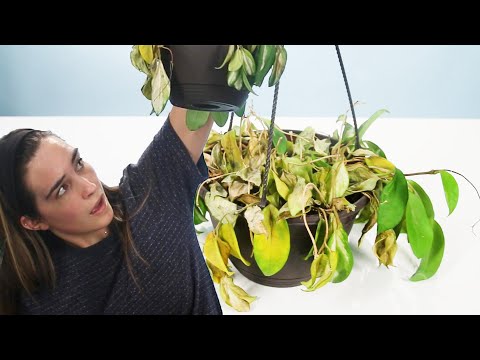
It's much like the soil many people are dealing with when trying to create gardens in new subdivisions. It's very common for property developers to scrape off the top layer of soil and sell it off before breaking ground. Then, when the houses are completed, what's left behind is subsoil–the least hospitable growing medium. People gardening in new houses are typically faced with subsoil, and wonder why their gardens struggle and fail. (It's not your fault, btw.) Subsoil is typically light in colour, which indicates less organic matter is present, and that contributes to the low fertility and lack of moisture. It's closest to the surface, and it's where the most bacteria and fungi live.

It also contains organic matter, which helps retain moisture. Using Chickens to break the Pest/Weed Cycle – You were on the right track and almost solved this 'problem' by feeding your grubs to the chooks – this is working with nature at its best. To take this one step further, you can solve future woes quite easily – or your girls can!

If you rake this weedy pest-laden soil into a pen (even a temporary one or erect some wire around it if it's too big to move) and let the girls loose on it for a few days, it has multiple benefits. In the 1990s, they began planting cover crops between harvests. The rye and buckwheat, among other cover crops, provided more organic matter to the soil, further feeding microorganisms like bacteria and fungi. The crops also kept nitrogen in the soil and reduced erosion.

Cover crops are planted at the end of the growing season or during part of the growing season itself . Legumes such as cowpeas, soybeans, annual sweetclover or velvet beans may be grown as summer green manure crops to add nitrogen along with organic matter. Non-legumes such as sorghum-sudangrass, millet, forage sorghum, or buckwheat are grown to provide biomass, smother weeds, and improve soil tilth.

Successful composting depends upon the sufficient availability of organic materials, water, manure and "cheap" labour. Where these inputs are guaranteed, composting can be an important method of sustainable and productive agriculture. It has ameliorative effects on soil fertility and physical, chemical and biological soil properties. Well-made compost contains all the nutrients needed by plants.